Design for Maintenance: A Missed Opportunity for Inventors?
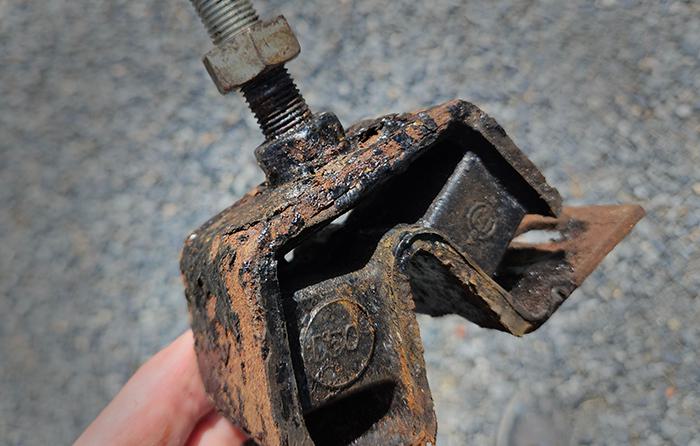
Spring has a way of reminding you about maintenance. For me, that reminder comes in the form of a 40-year-old, 25-foot sailboat. Every season starts the same way—oil changes, zinc replacements, hull work—and then there’s always one bigger project waiting. This year, it was the engine mounts. On paper, the job was simple: remove and replace 8 bolts, 4 nuts, and 4 grub screws. With perfect access, it’s a 30-minute task. In reality, it took me 6 hours. The reason wasn’t complexity. It was access.
The Problem Most Inventors Don’t Design For
The engine sits buried under the cockpit in a tight compartment. Every move requires awkward positioning, blind wrenching, and tiny incremental turns of a tool you can barely fit in place. That experience highlights something critical. Maintenance isn’t just about how many parts you use. It’s about how easy they are to reach. And that’s where many products fail - not in function, but in maintainability.
Why This Matters More Than You Think
If you’re an independent inventor, you’re probably focused on:
- Making the product work
- Keeping manufacturing costs down
- Getting to market quickly
All valid priorities. But every design decision you make today determines the cost, difficulty, and experience of maintaining that product later. And that has consequences such as longer repair times, higher service costs, frustrated customers, more products thrown away.
Big Corporations Go the Other Way
Most large companies have already made their choice. They design products that are
difficult to repair and not intended to last.
Why?
Because it’s often more profitable. Hard to maintain products have fewer customer support issues (maintenance is impossible), no need to stock parts and more repeat purchases, From a corporate perspective, it makes perfect sense. But that creates an opening.
The Opportunity for Independent Inventors
As an inventor, you don’t have to follow that model. In fact, you can compete against it. There’s a growing group of customers who are tired of disposable products - people who:
- Like fixing things
- Want products that last
- Value transparency and control
- Are willing to pay more for it
Designing for maintenance can give you a clear point of differentiation, stronger customer loyalty and a more sustainable product story. It may also give you higher margins
What “Designing for Maintenance” Actually Means
This isn’t about making your product more complicated. It’s about being intentional. Ask yourself, can key components be accessed without disassembling the entire product? Are common failure points easy to reach? Can parts be replaced individually instead of replacing the whole unit? Would a reasonably handy customer be able to fix it? These decisions don’t just affect the user - hey affect your brand.
A Simple Reality Check
That six-hour engine mount job could have been a 30-minute task with better access. Same parts. Same function. Different design decisions. That’s the difference between a product people tolerate and a product people respect
A Question Worth Asking Before You Launch
Most inventors ask: “How do I make this work?” Fewer ask: “How will this be maintained?” The second question might be where your advantage lies.
Final Thought
There’s nothing wrong with designing for efficiency, cost, or simplicity. But if you’re building something new, you have a choice: follow the disposable model… or build something people can actually live with, fix, and keep. For the right audience, that choice matters.
============================================
Want help designing and bringing your product to market?
Check out Invention City: https://www.inventioncity.com/...
share this article: facebook